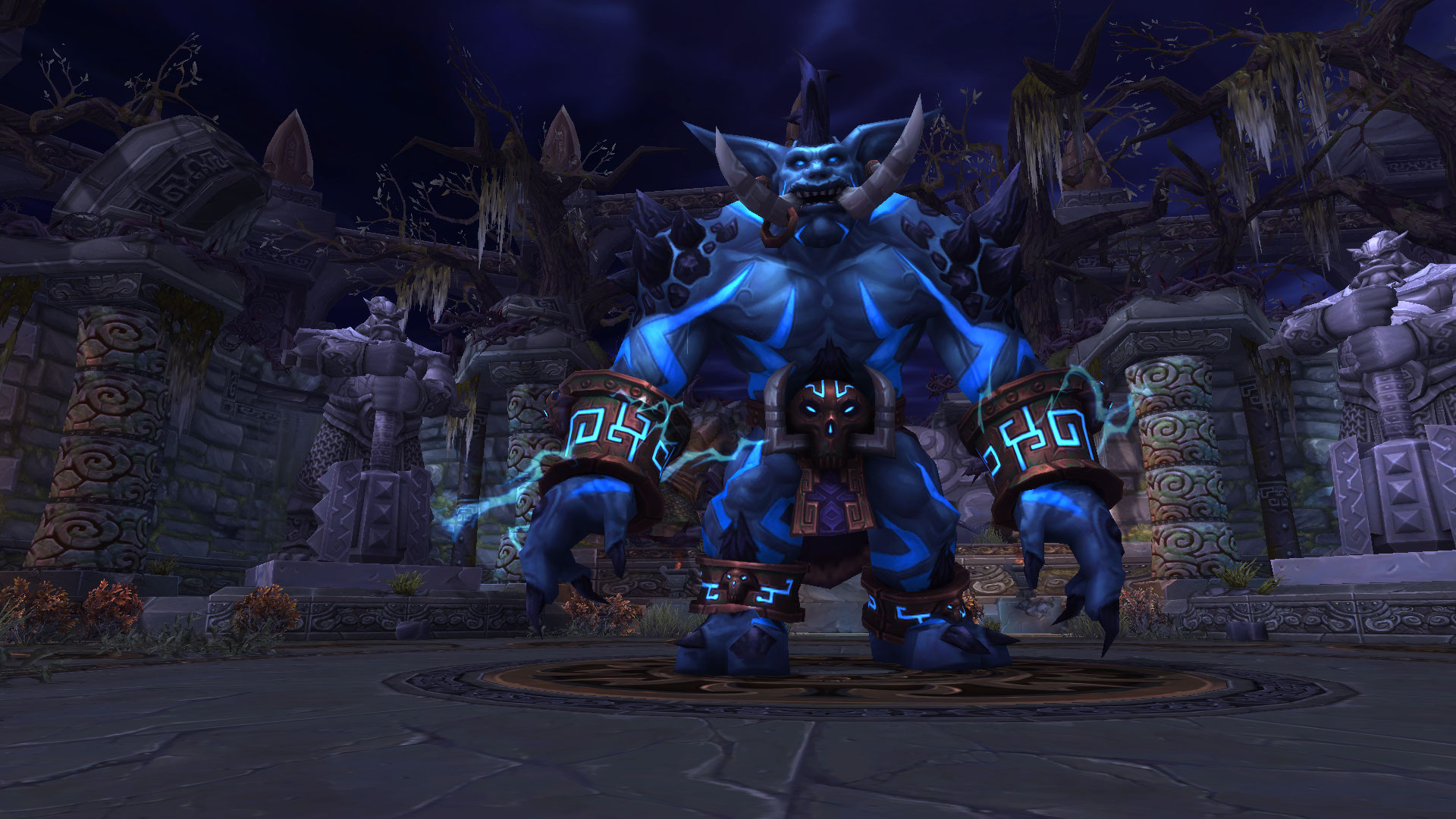
The Iron Qon encounter in the Throne of Thunder raid is often hailed as a landmark achievement in multi-mount raiding phases within World of Warcraft’s Mists of Pandaria expansion. This encounter uniquely combines complex mechanics, diverse mount abilities, and a dynamic environment that challenges players to adapt and strategize. Understanding the intricacies of this encounter reveals why it stands out as a pinnacle of design in raid encounters, offering a rich experience for players seeking both challenge and engagement.
What are the key mechanics of the Iron Qon encounter?
The Iron Qon encounter features a series of mechanics that require coordination, adaptability, and precise execution from raid teams.
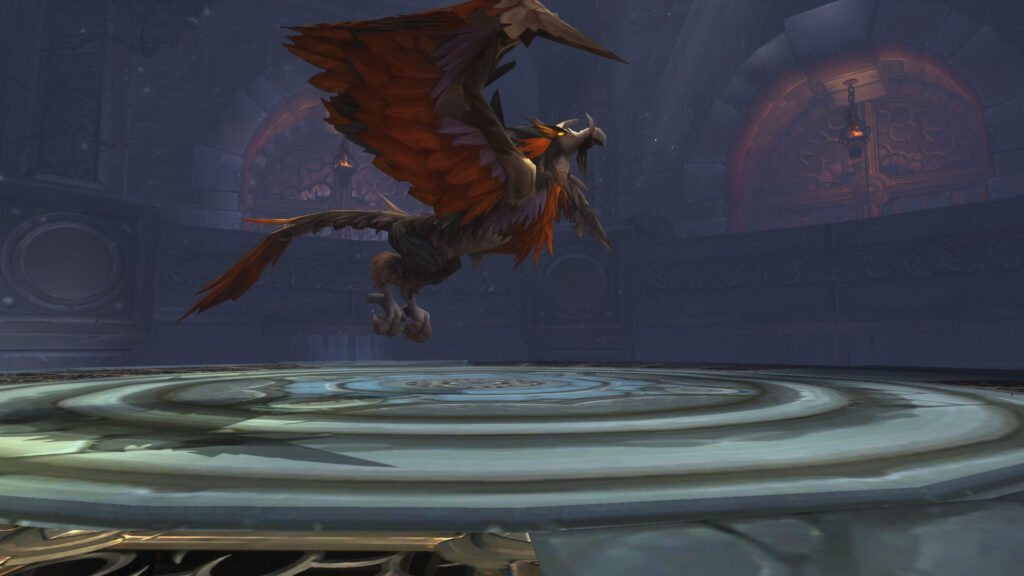
At its core, the encounter is divided into phases, each introducing unique mechanics that challenge players to adapt their strategies. The fight begins with players facing off against the four Iron Qon mounts, each representing a different elemental power: Fire, Water, Wind, and Earth. Each mount has distinct abilities that can devastate unprepared players, such as the Fire mount’s devastating flame breath or the Water mount’s freezing abilities. The dynamic nature of the encounter means that players must not only understand their own roles but also anticipate the actions of their teammates and the mounts themselves.
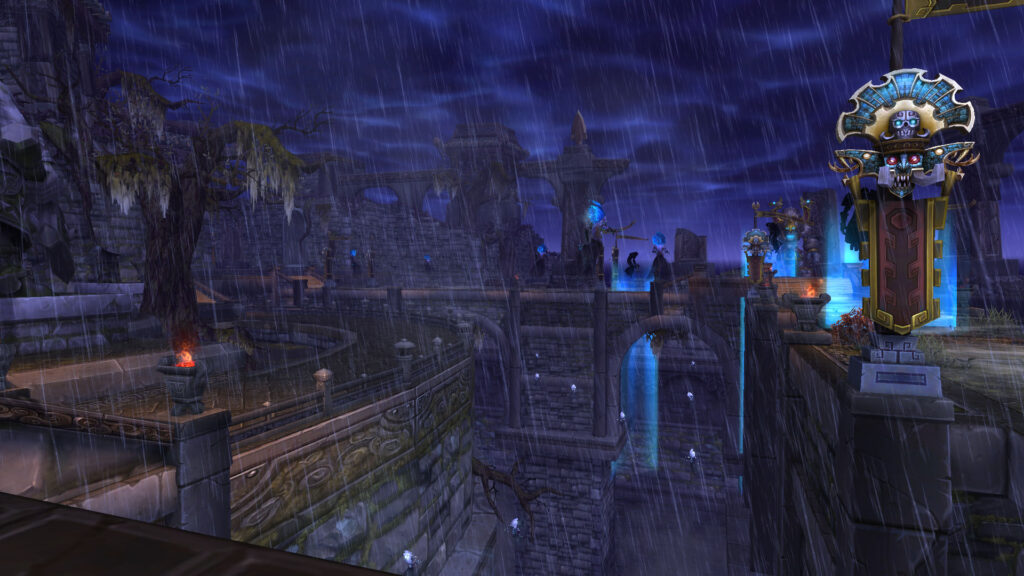
As the fight progresses, players must manage their positioning, cooldowns, and debuffs while transitioning between mounts. This requires a high level of communication and coordination, as players must call out when to switch mounts and when to use specific abilities. The encounter also features environmental hazards, such as pools of water that can freeze players or fire zones that must be avoided. The combination of these mechanics creates a multi-layered challenge that tests both individual skill and team synergy.
How do players effectively manage the multi-mount mechanics?
Effective management of the multi-mount mechanics in the Iron Qon encounter hinges on clear communication and strategic planning.
To successfully navigate the encounter, players should adopt a structured approach to mount management. This begins with assigning roles within the raid, ensuring that each player understands their responsibilities during each phase. For example, designating specific players to handle the Fire mount’s mechanics while others focus on the Water mount can streamline the process and reduce confusion. Additionally, players should familiarize themselves with the abilities of each mount, allowing them to react quickly to changing circumstances.
- Establish clear communication protocols, such as using voice chat to call out mount switches and ability usage.
- Develop a rotation plan that outlines which players will handle each mount and when they will switch.
- Utilize cooldowns strategically, ensuring that key abilities are available when transitioning between mounts.
- Practice positioning to avoid environmental hazards, such as fire zones and freezing pools, while maintaining optimal damage output.
What data supports the effectiveness of the Iron Qon encounter?
Data from player experiences and encounter logs reveal the effectiveness of the Iron Qon encounter in promoting teamwork and skill development.
Analysis of encounter logs shows that successful raids often have a higher percentage of players utilizing their abilities effectively, with many teams achieving a significant reduction in damage taken from environmental hazards. The encounter’s design encourages players to develop their situational awareness and adapt their strategies based on the current phase of the fight. The following table summarizes key metrics from successful raids, highlighting the importance of coordination and execution in overcoming the encounter’s challenges.
| Metric | Average Successful Raid | Average Failed Raid | Percentage Improvement |
|---|---|---|---|
| Damage Taken | 25,000 | 40,000 | 37.5% |
| Mount Switch Success Rate | 90% | 60% | 50% |
| Ability Usage Efficiency | 85% | 50% | 70% |
What advanced strategies can enhance performance in the Iron Qon encounter?
Advanced strategies for the Iron Qon encounter focus on optimizing player roles and maximizing damage output while minimizing risks.
To enhance performance, players should consider utilizing specific gear and consumables that complement their roles during the encounter. For instance, using potions that increase damage output or cooldown reduction can significantly impact the fight’s outcome. Additionally, players should practice their positioning to ensure they are always in the optimal range for their abilities while avoiding environmental hazards. This requires a deep understanding of the encounter’s mechanics and the ability to adapt quickly to changing circumstances.
What are the best practices for long-term success in multi-mount encounters like Iron Qon?
Long-term success in multi-mount encounters like Iron Qon relies on continuous improvement, teamwork, and adaptability.
To achieve sustained success, raid teams should prioritize regular practice and analysis of their performance. This includes reviewing encounter logs to identify areas for improvement and conducting post-raid discussions to address any issues that arose during the fight. Additionally, fostering a culture of teamwork and communication can enhance overall performance, as players feel more comfortable sharing strategies and suggestions. Finally, staying informed about game updates and changes to encounter mechanics can help teams adapt their strategies and maintain their edge in challenging content.
Frequently Asked Questions
What makes the Iron Qon encounter unique compared to other raids?
The Iron Qon encounter is unique due to its multi-mount mechanics that require players to switch between different elemental mounts, each with distinct abilities. This design promotes teamwork and adaptability, setting it apart from traditional raid encounters.
How can players prepare for the Iron Qon encounter?
Players can prepare for the Iron Qon encounter by studying the mechanics of each mount, practicing their roles in advance, and coordinating with their team to establish clear communication protocols. Familiarity with the fight will significantly enhance performance.
What are common mistakes to avoid during the Iron Qon encounter?
Common mistakes include poor communication regarding mount switches, failure to utilize cooldowns effectively, and neglecting to avoid environmental hazards. Addressing these issues through practice and strategy discussions can improve overall raid performance.